

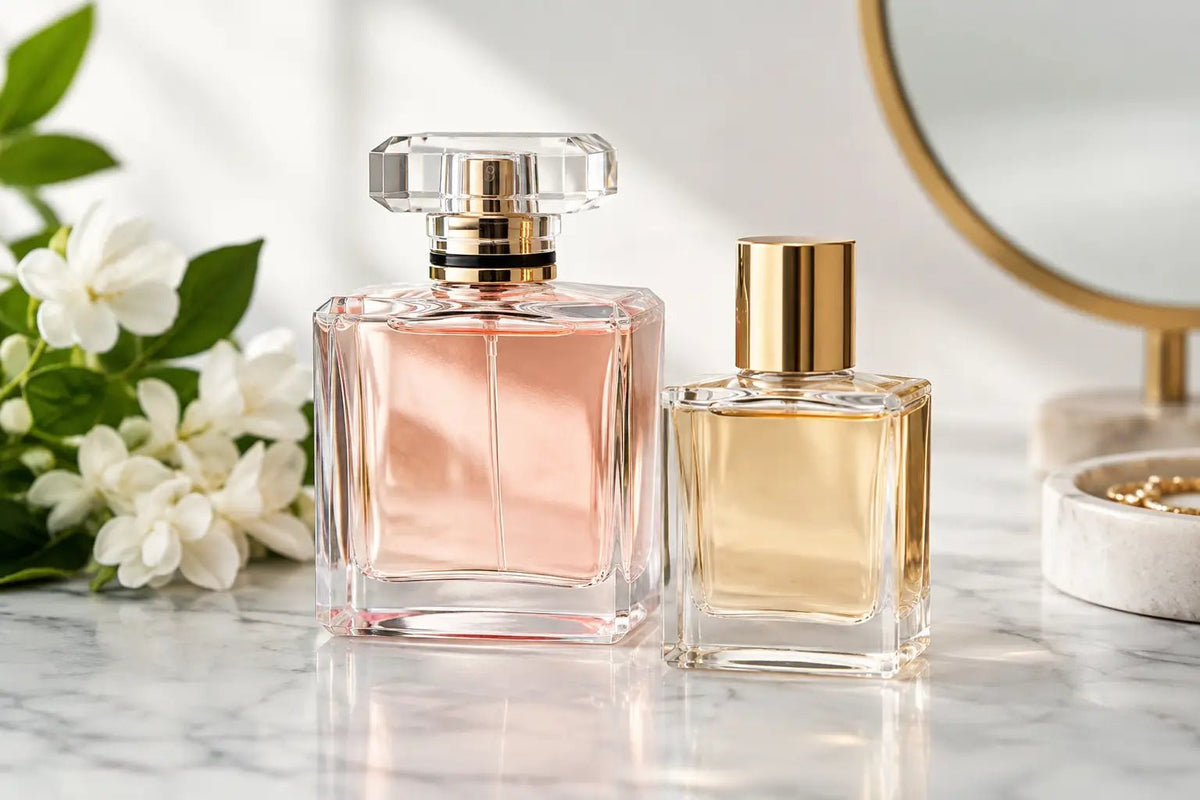
That luxury fragrance you keep smelling on social media may cost $300, but enjoying a similar scent profile does not have to. So, what is a perfume dupe? It is an affordable fragrance designed to evoke the overall character of a more expensive or well-known perfume, often with its own formula, bottle, name, and brand identity.
For shoppers who want premium-smelling, long-lasting fragrance without paying for a designer label, dupes can be one of the smartest ways to build a collection. The key is knowing what you are buying, what to expect from performance, and how to tell a legitimate fragrance alternative from a counterfeit.
What Is a Perfume Dupe, Exactly?
A perfume dupe, short for “duplicate,” is a fragrance that takes inspiration from another scent’s style. It may share similar notes, such as vanilla, amber, rose, saffron, citrus, woods, or musk. It may also aim for a comparable mood: clean and expensive, dark and smoky, sweet and seductive, or fresh enough for daily wear.
A true dupe is not supposed to be an exact molecular copy. Fragrance formulas are complex, and two perfumes can use similar note pyramids while smelling different on skin. The goal is usually to offer a familiar scent direction at a more accessible price.
Arabic perfume houses have become especially popular in this space because many create rich, high-performing scents with a luxury feel. Brands such as Lattafa, Afnan, Armaf, Rasasi, Maison Alhambra, and Paris Corner are known for fragrances that often deliver bold projection, strong longevity, and distinctive packaging at prices far below many prestige releases.
Perfume Dupe vs. Counterfeit: Know the Difference
This distinction matters. A perfume dupe is a legitimate product sold under its own brand name. It has its own packaging, bottle design, ingredient list, and identity. It can be inspired by a popular scent, but it does not pretend to be the original designer fragrance.
A counterfeit is different. It illegally copies a brand’s name, logo, packaging, or bottle in an attempt to make shoppers believe they are buying the real thing. Counterfeits can be poorly made, misleading, and difficult to trace. They also raise real concerns around storage, quality control, and unknown ingredients.
If you see a “designer” perfume at an unrealistically low price in packaging that looks slightly off, treat it carefully. Smart fragrance shopping is not just about finding a deal. It is about buying original products from retailers that clearly identify the brand and fragrance you are receiving.
Why Are Perfume Dupes So Much Cheaper?
The price gap is not always about the juice inside the bottle. Major luxury fragrance brands often spend heavily on celebrity campaigns, glossy magazine ads, department-store placement, custom displays, elaborate bottles, and global branding. Those costs are built into the retail price.
Dupe brands typically focus their budget differently. They may use simpler packaging, sell directly online, release fragrances faster, and rely more on fragrance community buzz than giant advertising campaigns. This lets them put more value into the formula and bottle while keeping the final price accessible.
That does not mean every affordable alternative performs the same. Some are close in scent but lighter in concentration. Others are not a perfect match at first spray but become surprisingly similar once they dry down. A few may even last longer than the fragrance that inspired them, especially when they use denser amber, vanilla, musk, or woody bases.
How Close Does a Dupe Smell to the Original?
It depends on the specific fragrance, your skin chemistry, and what part of the scent matters most to you.
Some dupes are immediately recognizable because the opening notes feel similar. Others may start with a brighter citrus, sharper alcohol, or sweeter fruit accord, then become more alike after 15 to 30 minutes. The dry down is often where an alternative earns its reputation. If the warm woods, creamy vanilla, clean musk, or smoky amber base gives you the same overall effect, the experience can feel very close even if the opening is not identical.
Expect differences in texture and evolution. A luxury scent may feel smoother, more natural, or more finely blended. An affordable alternative may be louder, sweeter, woodier, or more linear. Neither is automatically better. It comes down to whether you want an exact-like impression, stronger performance, or simply a similar scent family at a price that makes daily wear easy.
What to Look for When Buying a Perfume Dupe
Start with the scent profile, not just the name of the perfume it is compared to. If you already know you love warm vanilla, spicy amber, fresh citrus, creamy coconut, juicy fruit, or dark oud, look for an alternative built around those notes. A dupe can be a great buy even when you have never smelled the original, as long as the fragrance itself fits your taste.
Then consider performance. Check whether a fragrance is described as an eau de parfum, extrait, or perfume oil, but remember that concentration alone does not guarantee all-day wear. Ingredients, skin type, weather, and how much you spray all play a role. Many Arabic-inspired scents are known for their strong presence, so two to four sprays may be plenty at first.
Reviews can help, especially when they describe the opening, dry down, longevity, and projection rather than simply saying “it smells amazing.” Look for comments from people who share your preferences. Someone who loves loud, sweet scents may rate a fragrance highly, while someone who prefers skin scents may find the same bottle overwhelming.
Finally, buy from a retailer that sells authentic inventory and clearly represents each brand. Original scents should arrive in their original branded packaging, not in mystery bottles or misleading designer lookalikes.
How to Wear Dupes So They Smell Their Best
A great fragrance can disappoint if it is applied in the wrong setting. Strong amber, oud, saffron, and gourmand dupes usually shine in cooler weather, at night, or when you want your scent to make an entrance. Fresh citrus, aquatic, clean musk, and soft floral alternatives tend to work better for the office, gym-adjacent errands, warm days, and close-contact settings.
Apply fragrance to clean, moisturized skin. Dry skin can make a scent disappear faster, while unscented lotion gives it something to hold onto. Spray pulse points such as the neck, wrists, and inner elbows, but avoid aggressively rubbing your wrists together. That friction can make the top notes fade faster and change the way the opening develops.
If a dupe feels too intense, use fewer sprays or apply it lower on the body, such as behind the knees or on the chest under clothing. If it wears too softly, try spraying your shirt from a safe distance after testing for staining. Fabrics can hold fragrance longer than skin, particularly with woody and musky blends.
Are Perfume Dupes Worth It?
They are worth it when you shop with realistic expectations. A dupe is not a promise that every detail will match a designer fragrance from first spray to final dry down. It is an opportunity to enjoy a similar olfactory experience, explore new scent styles, and rotate fragrances based on season or mood without treating every bottle like a major investment.
They are also ideal for trend-driven fragrance shoppers. A viral scent may be exciting, but you may not want to spend luxury-brand money before knowing whether it works with your skin and style. An affordable alternative gives you room to experiment with sweet gourmands, smoky woods, fresh blue scents, rose-oud blends, and other popular profiles.
For many fragrance fans, the best collection is not built around one expensive bottle. It is built around options: something fresh for daytime, something warm for date night, something confident for work, and something memorable when you want compliments. Choose the scent that makes you reach for it again, not just the one with the most famous name.


