

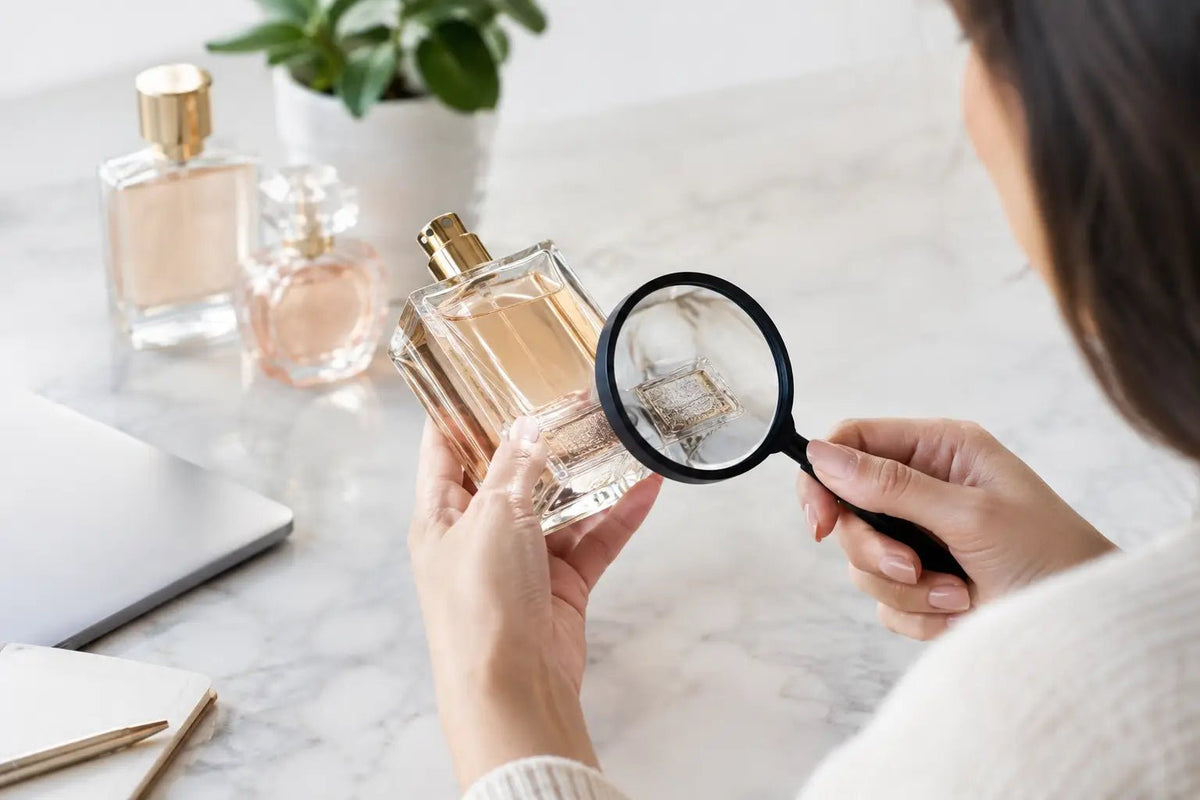
A low price on a viral fragrance can feel like a win - until the box arrives with a blurry code, weak projection, or packaging that looks slightly off. Knowing how to check perfume batch codes gives you a smarter way to assess what is in front of you, whether you are buying a hyped Lattafa release, a classic Rasasi scent, or a designer-style alternative.
A batch code is useful, but it is not a magic authenticity test. Counterfeiters can copy codes, and not every Middle Eastern fragrance brand uses the same coding system or publishes date information. The best approach is to treat the batch code as one part of a bigger authenticity check: compare the bottle, box, print quality, scent performance, and seller reputation before making a call.
What Is a Perfume Batch Code?
A perfume batch code is a short sequence of letters, numbers, or both that identifies a specific production run. Brands use it for internal quality control, inventory tracking, and recalls. It can also help you estimate when a fragrance was manufactured, although the format varies widely by brand.
You may see a code such as a few stamped digits, a letter-number combination, or an ink-printed sequence near the barcode. Unlike a UPC barcode, which is shared by every unit of the same product, a batch code should correspond to a particular manufacturing lot.
For shoppers, the main value is consistency. The code on the outer box should usually match the code on the bottle. If they do not match, pause before opening or using the fragrance. A mismatch can happen because of repackaging, a returned item, or a warehouse error, but it is also a legitimate red flag.
How to Check Perfume Batch Codes Step by Step
Start by finding the code on both the carton and the bottle. On boxed fragrances, it is commonly stamped or laser-etched on the bottom panel. On the bottle, check the base, bottom edge, back label, or lower portion of the glass. Some brands print it in dark ink, while others use a subtle engraving that is easier to see under bright light.
Next, compare the two codes character by character. Do not rely on a quick glance. Letters such as O and Q can resemble zero, while I can look like 1 or L. The font, placement, and finish should also make sense. A clean laser mark or firm embossed stamp is generally more reassuring than a smeared, crooked, or easily rubbed-off print.
Then, search for whether the brand has a recognized batch-code format or whether a fragrance date-checking database supports that brand. These tools can sometimes provide an estimated production date for major brands. Consider the result a reference point, not final proof. Many Arabic perfume houses use codes that are not included in public databases, and code formats can change as brands update their packaging or production systems.
If a lookup tool returns no result, that does not automatically mean the fragrance is fake. This is especially true for newer releases, regional packaging, and Middle Eastern brands with limited public batch information. Focus on whether the code appears professionally applied and matches across the package and bottle.
Check the Code Before Throwing Away the Box
Keep the outer box until you have inspected the bottle and worn the fragrance at least once. The carton is where many useful clues live: batch code, barcode, importer details, ingredient information, and product labeling. If there is a concern after delivery, having the complete packaging makes it much easier to document what you received.
For collectors and wholesale buyers, taking a quick photo of the bottle base and box code is also practical. It gives you a record of the batch if you reorder later and notice differences in color, atomizer feel, or scent profile.
Can a Batch Code Tell You Whether a Perfume Is Fresh?
Sometimes, but freshness is more complicated than a production date. Most unopened perfumes remain in excellent condition for years when stored away from heat, sunlight, and major temperature swings. A bottle made two or three years ago is not automatically old stock or a poor buy.
Fragrance quality depends heavily on storage. A newer bottle kept in a hot car or direct sunlight can degrade faster than an older bottle stored in a cool, dark closet. Citrus-heavy top notes may lose some sparkle first, while darker woody, amber, vanilla, and oud-focused scents often remain stable for a long time.
If you can identify a production date, use it to set expectations rather than reject a product immediately. For a discontinued release or a hard-to-find viral scent, an older batch may be exactly what enthusiasts are looking for. For a current bestseller, a very old date combined with faded packaging, leakage, or unusual scent changes deserves more scrutiny.
Why Batch-Code Checkers Have Limits for Arabian Perfumes
Online batch-code tools are most reliable when a brand uses a consistent, publicly documented format. That is not always the case with Arabic fragrance brands. Houses such as Lattafa, Afnan, Armaf, Maison Alhambra, Paris Corner, and Rasasi may use production coding that differs by factory, export market, product line, or packaging update.
This does not make their products less legitimate. It simply means a no-result search is common and should not be treated as a verdict. A better check is to look at the full product presentation. Authentic bottles generally have sharp label printing, clean glass, secure caps, aligned sprayers, and packaging that feels intentional rather than thin or rushed.
Also remember that manufacturers can make small packaging changes without changing the fragrance name. A different box color, a revised logo placement, or a new cap design may be part of a normal production update. Compare against recent, reputable product photos rather than relying on an old social-media unboxing video.
Red Flags That Matter More Than a Missing Lookup Result
A batch code is just one signal. When several issues appear together, the risk becomes much clearer. Watch for these signs:
- The box code and bottle code are missing, visibly different, or applied with poor-quality printing.
- Spelling, spacing, logo details, or ingredient labels contain errors or look noticeably blurry.
- The bottle feels lightweight, uneven, leaky, or has a loose cap or poor atomizer.
- The scent smells sharply alcoholic for an extended period, turns sour quickly, or disappears far sooner than expected for that fragrance.
- The price is dramatically below normal market value and the seller cannot explain where the inventory came from.
Buy From Sellers Who Make Verification Easier
The easiest way to avoid a batch-code headache is to buy from a retailer that clearly stands behind its inventory. Look for detailed product listings, clear return policies, responsive customer support, and a consistent focus on original fragrances. A legitimate retailer should not make basic questions about packaging, batch markings, or order issues feel inconvenient.
For Arabic perfumery, this matters even more because high demand can create confusion around trending releases and similarly named versions. Established retailers such as Ezenzia focus on original, in-demand Middle Eastern fragrances and give US shoppers a more straightforward alternative to unknown marketplace listings.
Once your fragrance arrives, inspect it before discarding the packaging. Match the batch codes, check the bottle finish, and test a few sprays on skin or paper. Let the scent develop for at least an hour before judging it. Top notes are only the opening - the drydown is where many oud, amber, musk, and vanilla-based fragrances show their real character.
A batch code can help you shop with more confidence, but your best protection is a complete check and a seller you would feel comfortable contacting after the sale. That extra minute of inspection helps ensure the bottle on your shelf delivers the long-lasting, premium scent experience you paid for.


