

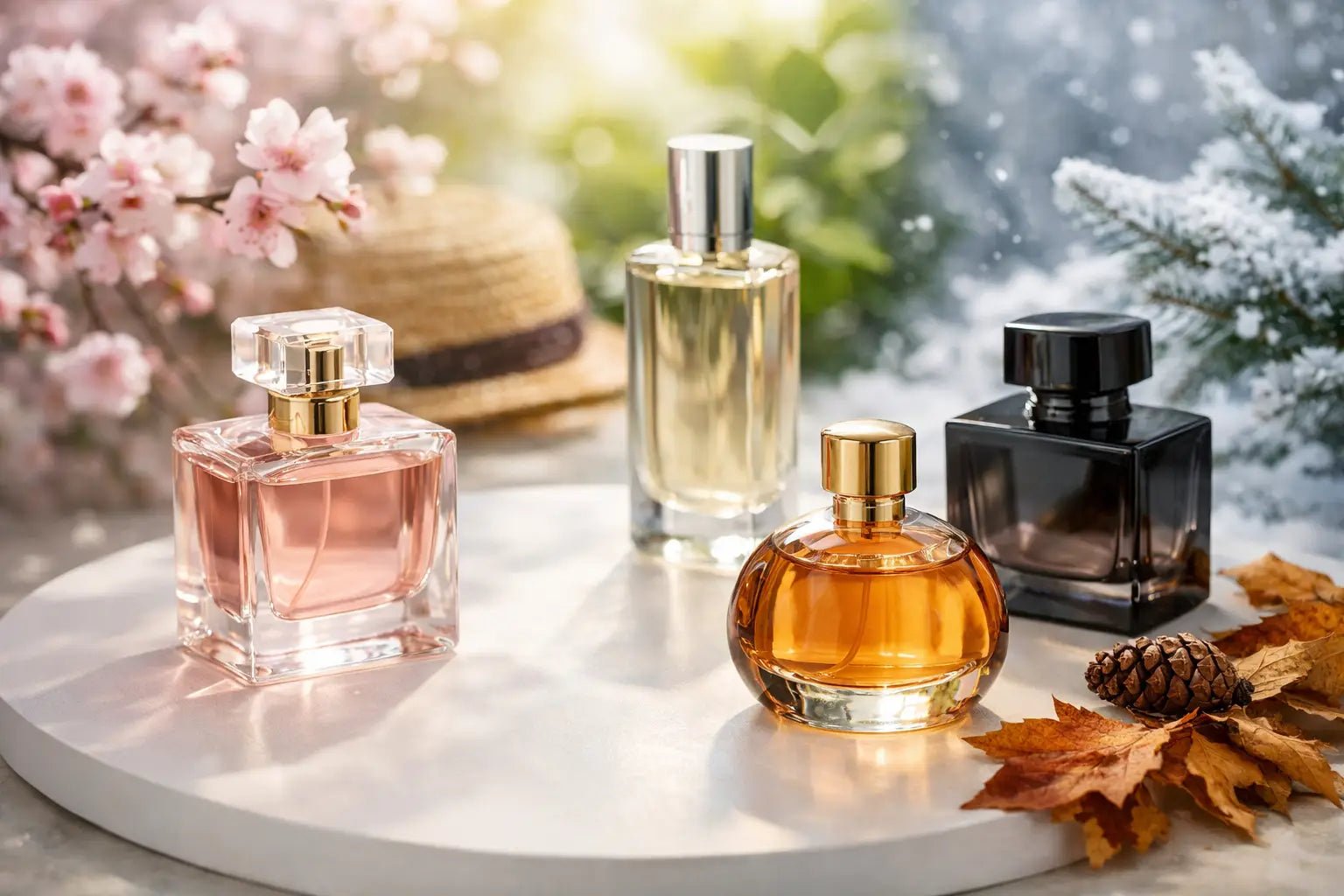
That heavy vanilla that smelled perfect in December can feel way too dense in July. On the flip side, a crisp citrus that shines in spring may disappear fast once cold weather hits. If you are wondering how to choose perfume by season, the answer starts with one simple truth: temperature changes how fragrance smells, projects, and lasts on skin.
Seasonal fragrance shopping is not about following rigid rules or buying four completely different scent wardrobes unless you want to. It is about matching scent weight, note profile, and performance to the weather you actually live in. That matters even more if you love Arabian perfumes and Arabic-inspired scents, where richness, depth, and longevity are often part of the appeal.
How to choose perfume by season without overthinking it
The easiest way to choose a perfume for the season is to think in terms of air, fabric, and mood. Warm weather usually works better with scents that feel lighter, brighter, cleaner, or fruitier. Cold weather can handle richer perfumes with more spice, woods, amber, vanilla, musk, leather, and resin.
That does not mean fresh scents are only for summer or sweet scents are only for winter. It means the same formula will behave differently depending on heat, humidity, and how much of it you spray. A strong extrait with oud and amber can be incredible in fall and overwhelming in peak summer. A sparkling citrus musk can feel polished in spring and a little too thin in a freezing wind.
So instead of asking, "What season is this perfume for?" ask, "How will this perfume perform in this season?" That shift helps you shop smarter and avoid blind buys that only work a few weeks a year.
Spring perfumes should feel fresh, soft, and easy to wear
Spring sits in the middle. It is not fully warm, but it is no longer winter either. This is where florals, green notes, airy musks, light fruits, tea accords, and clean woody scents do especially well.
Think about perfumes that smell polished rather than heavy. Rose, jasmine, orange blossom, pear, bergamot, and soft white musk tend to fit the season because they feel lifted and versatile. If you like Arabic fragrances but want something spring-friendly, this is a great time to explore blends that balance floral sweetness with musk or citrus instead of going all-in on dense oud, syrupy gourmand notes, or smoky resin.
Spring is also one of the best seasons for unisex fragrances. A clean woody musk or a fresh spicy floral can move easily from day to night without feeling too cold or too cozy. If your style changes often, spring scents usually give you the most flexibility.
Summer calls for brightness, restraint, and clean projection
Summer is where people make the most fragrance mistakes. They wear the same number of sprays they used in January, then wonder why a perfume suddenly feels sharp, sticky, or too loud. Heat amplifies fragrance. Humidity can make sweet and heavy notes feel thicker. That is why summer scents usually perform best when they are fresher in profile and lighter in application.
Citrus, aquatic notes, mint, neroli, green tea, soft musk, airy woods, coconut, and juicy fruit all tend to work well in hot weather. Some tropical florals can also be great in summer, but it depends on how creamy or sweet they are. If the scent has a syrupy vanilla base, test carefully before making it your everyday heatwave fragrance.
This is also where concentration matters. A powerful perfume oil-inspired scent or a bold extrait can still work in summer, but you may need fewer sprays or a nighttime-only approach. Strong Arabian perfumes are known for longevity, which is a huge plus, but in hot weather that same performance can become too much if the scent profile is dense.
If you want a simple shortcut, summer fragrances should smell clean, energetic, and breathable. You want people to lean in, not step back.
Fall is the easiest season for richer perfumes
Once the air cools down, fragrance opens up again. Fall is where spices, woods, amber, suede, tobacco, warm florals, and deeper gourmands start to make sense. This season has enough coolness to support richer notes, but not so much cold that every scent needs to be heavy.
That balance is why fall is often the best entry point for Arabic perfumery. You can enjoy more warmth, sweetness, and texture without jumping straight into the densest winter styles. Saffron, cinnamon, cardamom, rose-oud blends, vanilla woods, and musky amber perfumes tend to feel especially right here.
Fall is also the season for contrast. A perfume can still have brightness at the top, like apple, bergamot, or plum, while drying down into warmer woods and resins. Those transitions feel more noticeable in cooler weather, which makes fall a great season if you like fragrances with a premium, layered character.
Winter is built for depth, warmth, and staying power
Cold weather can flatten lighter fragrances. A scent that felt beautiful in May may barely register in December. Winter is when bold compositions really earn their place.
Amber, oud, incense, leather, patchouli, vanilla, tonka, praline, smoky woods, and rich musk all tend to perform well in the cold. These notes hold their shape better in lower temperatures and create the kind of scent trail people often want from evening wear, special events, and cozy everyday use.
If you are shopping for long-lasting fragrance value, winter is usually where stronger Arabian perfumes shine hardest. This is the season where intensity feels like a benefit instead of a risk. A well-made spicy amber or sweet woody oud can smell luxurious, project beautifully, and last through scarves, coats, and cold air.
That said, winter does not automatically mean maximum sweetness. Some people prefer dry woods, incense, or leathery notes over dessert-like gourmands. The better question is whether you want your winter scent to feel cozy, elegant, mysterious, or attention-grabbing. Season helps narrow the field, but personal style still decides the finish.
Notes matter, but so does performance
When people learn how to choose perfume by season, they often focus only on notes. Notes matter, but they are not the whole story. Two perfumes can both list vanilla, musk, and amber and wear completely differently.
Pay attention to projection, concentration, and texture. Does the scent feel airy or dense? Does it stay close to the skin or fill a room? Does it open bright and dry down warm, or start rich and stay rich the whole way through? Those details matter just as much as whether the fragrance includes citrus, rose, oud, or sandalwood.
This is especially important if you shop online. A fragrance described as floral can mean anything from fresh peony and watery lily to dense white flowers wrapped in amber. A woody scent might be dry and clean or sweet and smoky. If you already know what works for you in each season, read descriptions with performance in mind, not just note pyramids.
Your climate changes the rules
Not every US customer experiences the seasons the same way. A winter scent in Miami may feel like a fall scent in Chicago. A fresh fragrance that works year-round in coastal weather might disappear in a dry, freezing climate.
That is why seasonal fragrance advice should always be adjusted to your actual environment. If you live somewhere hot most of the year, your collection may lean toward fresh musks, citrus, and lighter woods, with richer scents saved for evenings and cooler months. If you deal with long winters, denser fragrances become more practical and often give you better value per wear because they perform more consistently.
Your routine matters too. Office wear, nights out, gym-adjacent errands, formal events, and date nights do not all need the same seasonal profile. You are not building a museum collection. You are choosing scents you will actually reach for.
A smarter way to build a seasonal fragrance wardrobe
You do not need a huge rotation to smell right all year. For most people, one fresh scent for warm weather, one versatile daily driver, and one richer option for cold weather is enough. From there, you can add based on mood and occasion.
If you love value, start with versatility. Look for fragrances that can stretch across two seasons instead of one. A citrus-woody musk can cover spring and summer. A spicy amber-vanilla can move through fall and winter. That approach gives you more wear, better cost per use, and less clutter on your shelf.
For shoppers exploring Middle Eastern brands, this is also a smart way to test new scent families without overcommitting. Start with one easy fresh pick and one richer statement fragrance. Once you know how each performs on your skin and in your climate, expanding gets much easier.
The best seasonal perfume choice is not the one that follows a trend chart perfectly. It is the one that smells right on you, performs well where you live, and feels worth wearing again tomorrow. If a fragrance gives you that mix of luxury, identity, and real value, you chose well.


