

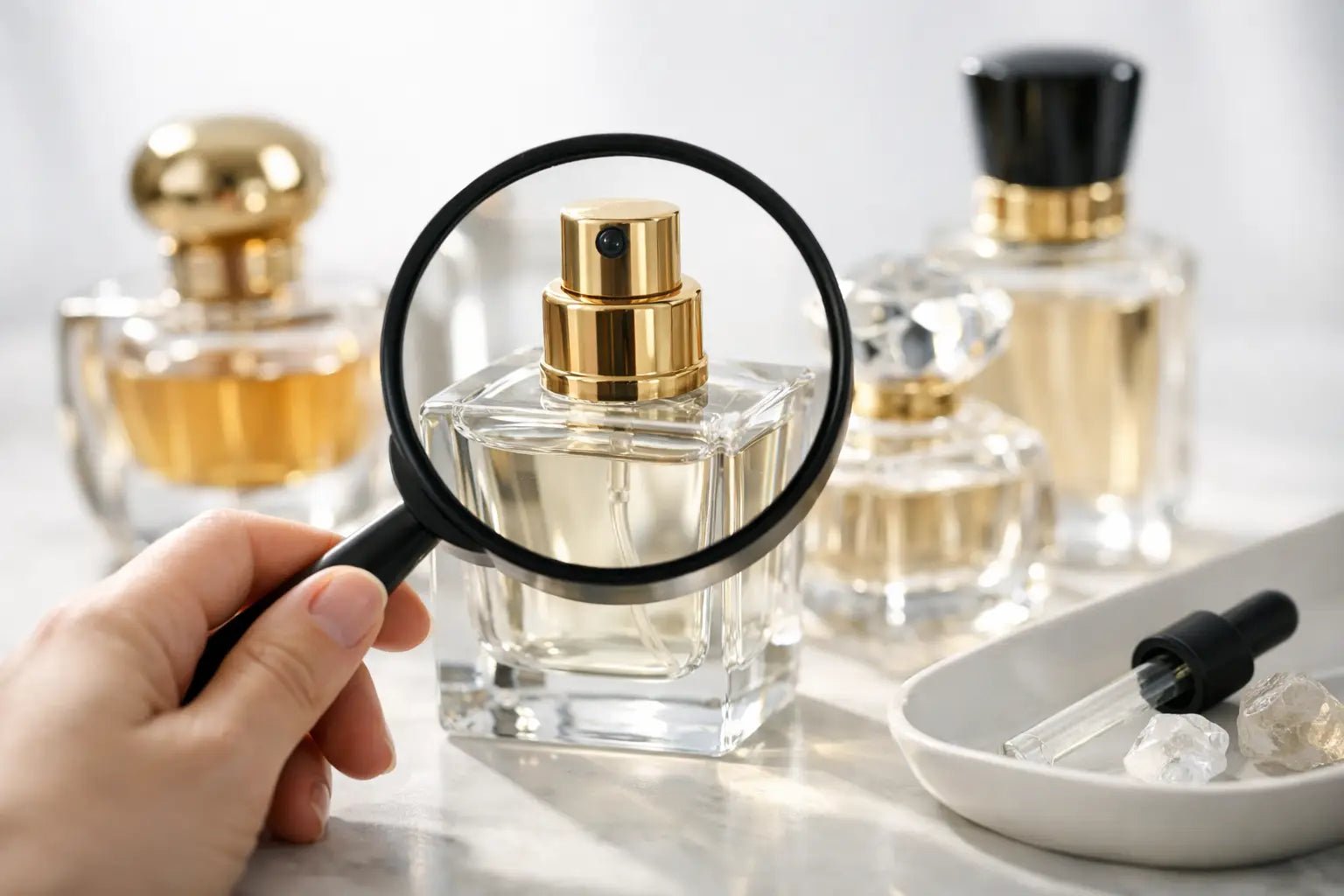
That deal looks amazing until the bottle shows up with crooked print, weak performance, and a scent that disappears before lunch. If you want to know how to spot authentic perfumes, you need more than one quick trick. The smartest buyers look at the full picture - seller, packaging, batch details, bottle quality, and how the fragrance actually wears.
Counterfeits have gotten better at copying the surface. A fake can look convincing in a product photo and still miss the details that matter once it lands in your hands. That is especially true with high-demand scents, viral Arabic perfumes, and anything trending hard on social media. The more popular the fragrance, the more likely someone will try to imitate it.
How to Spot Authentic Perfumes Before You Buy
The first and best filter is the seller. Authentic fragrance shopping starts long before you inspect the cellophane. If a store is vague about where products come from, avoids questions about authenticity, or has a pattern of complaints about watered-down juice, damaged boxes, or suspicious packaging, that is your signal to move on.
Price matters too, but not in the way many shoppers think. A fair discount is normal in ecommerce. A dramatic price collapse on a fragrance that is still in demand is where you should slow down. Real retailers can offer competitive pricing because of sourcing, volume, and direct relationships. Counterfeit sellers use prices that feel irresistible because they want you to skip the usual checks.
Look for trust signals that match a real operation: clear product photos, consistent branding, responsive support, shipping information, return policies, and a catalog that makes sense. A serious fragrance retailer usually knows the brands it carries and presents them with confidence. If the site feels thrown together or product listings are inconsistent, that is a risk.
Packaging Tells the Story
One of the easiest ways to start spotting a fake is the outer box. Authentic perfumes usually arrive with clean printing, sharp lines, and consistent colors. Cheap copies often get close, but not close enough. You may notice blurry text, off-center labels, uneven wrapping, or logos that look slightly stretched.
Cellophane can help, but it is not a final answer. Some authentic fragrances come tightly wrapped with neat folds, while others may vary depending on the brand and release. What matters is the overall finish. It should look intentional and premium, not messy or rushed.
Pay attention to spelling, spacing, and font choice. Counterfeit packaging often slips on details because the goal is speed, not precision. A missing accent mark, odd capitalization, or text placed too high or too low can be enough to raise doubt. If you know the brand well, these differences stand out fast.
For Arabic fragrance houses in particular, packaging quality is often part of the appeal. Brands like Lattafa, Afnan, Armaf, Rasasi, and Maison Alhambra usually put real effort into presentation. That does not mean every box will be extravagant, but it should still feel polished and brand-consistent.
Check the Batch Code and Barcode
Batch codes are one of the most useful signs of authenticity, but they work best when combined with other checks. On many authentic perfumes, the batch code appears on both the box and bottle. These codes should match. If one is missing, smudged, or clearly different, that is a red flag.
The code should also look properly applied, not like an afterthought. Stamped, etched, or printed details usually appear clean and deliberate. If the code looks crooked or easy to rub off, take that seriously. The barcode can also help, although counterfeiters can copy barcodes more easily than batch details.
This is where context matters. Some brands update packaging, move code placement, or change box design between production runs. That is why one small inconsistency does not automatically mean fake. But when multiple issues show up together, the risk goes up fast.
Bottle Quality Is Harder to Fake Well
Once you open the box, the bottle often gives away the truth. Authentic perfume bottles usually have solid construction, clean glass, balanced weight, and precise detailing. A fake may look similar at a glance, but the flaws show up quickly when you hold it.
Start with the cap. Does it fit securely? Does it align properly? Loose, wobbly, or cheap-feeling caps are common counterfeit signs. Then check the sprayer. Authentic atomizers usually deliver a fine, even mist. Fakes often spray unevenly, drip, or feel flimsy.
Look closely at the label and bottle text. Print should be sharp and straight, not fuzzy or slightly tilted. If there is metal trim, it should feel smooth and cleanly finished. If there are seams in the glass, they should not look rough or overly obvious.
The fragrance liquid itself can offer clues too. While color can vary slightly between batches or after reformulations, unusually cloudy juice or visible sediment should make you pause. Not every authentic fragrance has perfectly identical color forever, but obvious inconsistency is a warning sign.
The Scent Test Matters, But It Is Not Instant
A lot of shoppers assume they can spot a fake with one spray. Sometimes that works, but not always. The opening of a fragrance can be misleading because many perfumes, authentic ones included, smell stronger or rougher in the first few minutes.
What you want to watch is development and performance. Authentic perfumes usually have a recognizable structure. The top notes shift, the heart comes through, and the base settles in. A fake often smells flat, harsh, overly alcoholic, or strangely linear from start to finish.
Longevity matters too, but this is where buyers need to be realistic. Not every real perfume is a beast mode scent, and not every long-lasting perfume is automatically authentic. Skin type, climate, storage, and formulation all affect wear time. Still, if a fragrance known for solid performance vanishes almost immediately and smells off from the beginning, that is worth questioning.
With Arabian perfumes, this test can be especially helpful. Many authentic Arabic fragrances are known for depth, projection, and strong dry-downs. If the scent feels thin, generic, or nothing like the profile people consistently describe, trust your nose.
Storage and Age Can Complicate Things
Sometimes a buyer thinks a perfume is fake when it is actually old, poorly stored, or heat-damaged. That does happen. A real bottle kept in bad conditions can smell weaker, sharper, or slightly off.
That is why authenticity checks should never rely on scent alone. A damaged authentic fragrance and a counterfeit one can both disappoint, but they are not the same issue. Good retailers reduce both risks by moving inventory properly and shipping fast.
Common Red Flags Shoppers Miss
Some warning signs are easy to overlook because they seem small on their own. The seller uses generic product images instead of real packaging shots. The item name is slightly off from the official release. The bottle volume is unusual for that fragrance. The box design does not match the market version typically sold in the US.
Reviews can also reveal patterns. One complaint means very little. Ten people saying the scent fades in 20 minutes, the bottle arrived unwrapped, or the packaging looked cheap is a different story. Smart fragrance buyers do not just read star ratings. They read the details.
If you are buying a popular scent alternative or a viral Arabic perfume, be extra careful with marketplace listings and random resellers. These products move fast, and hype attracts imitation. Buying from a specialized retailer that focuses on original inventory is usually the safer play. That is one reason shoppers choose stores like Ezenzia when they want authentic Arabian fragrances without the guesswork.
How to Spot Authentic Perfumes Without Overthinking It
You do not need to become a forensic expert to shop with confidence. The goal is not to obsess over every tiny variation. The goal is to stack enough smart checks that a fake becomes easy to avoid.
Start with the seller. Compare the price to the market, not to your wishful thinking. Inspect the box for print quality, check that batch codes match, and make sure the bottle feels premium in the hand. Then wear the fragrance long enough to judge how it develops.
If everything lines up, you are probably in good shape. If several things feel off at once, trust that instinct. Fragrance should feel exciting, not suspicious.
The best buys are not just the cheapest ones. They are the ones you can wear confidently, enjoy fully, and repurchase without second-guessing what showed up at your door.


