

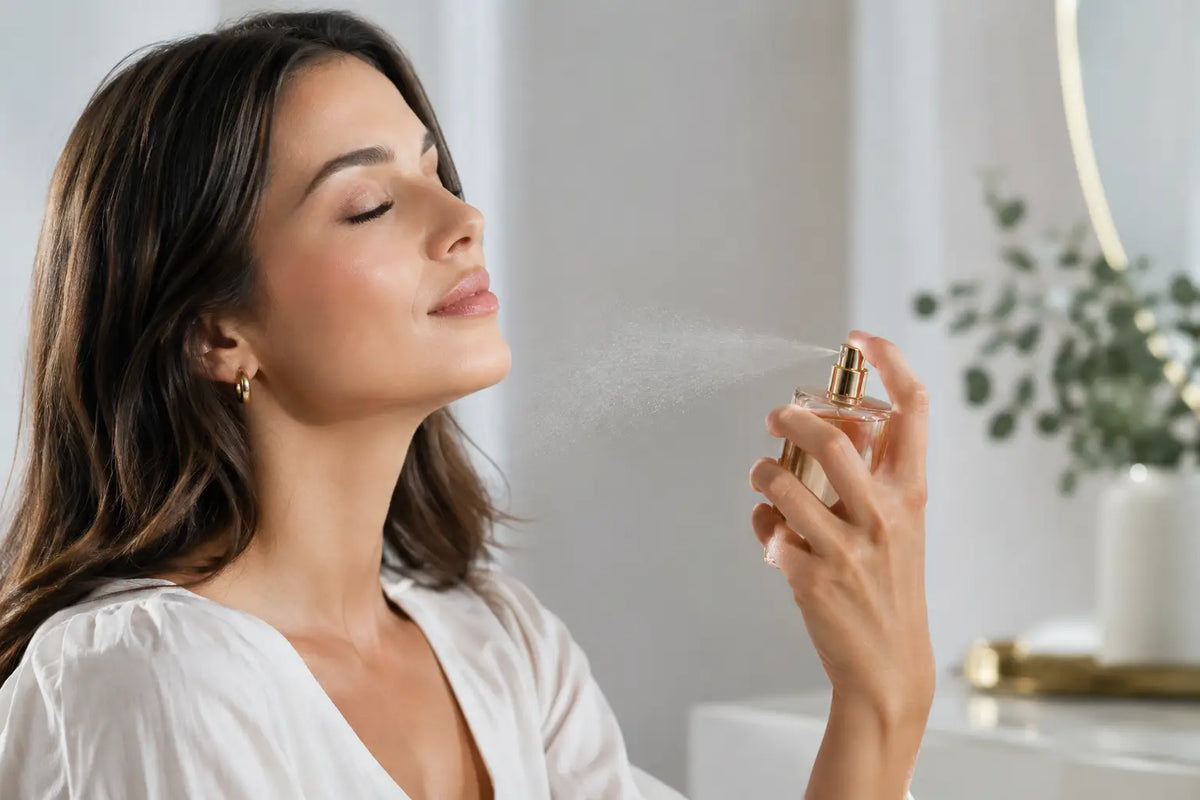
You bought a fragrance with great reviews, applied a few sprays, and an hour later you are asking the classic question: can anyone else still smell it? Learning how to improve perfume projection is less about drowning yourself in fragrance and more about choosing the right formula, applying it well, and giving it a proper foundation on skin.
Projection is the scent trail and personal aura a perfume creates in the air around you. It is different from longevity, which is simply how long the fragrance remains detectable. A scent can last eight hours close to the skin but project softly. Another can fill a room for two hours, then settle into a quieter skin scent. The goal is not maximum volume at all times. It is a noticeable, polished presence that fits the setting.
Start With a Fragrance Built to Project
Some perfumes are designed for intimate wear. Others are built to announce themselves. If stronger projection matters to you, the formula is the first thing to consider. Concentration can help, but an eau de parfum is not automatically stronger than every eau de toilette. The notes, materials, and overall construction matter just as much.
Look for fragrances with naturally radiant note profiles. Amber, vanilla, woods, musk, patchouli, saffron, oud, incense, leather, spice, and many fruity accords often create more presence than delicate citrus, airy tea, or sheer floral scents. This is one reason Arabic perfumes have earned a following among performance-focused fragrance shoppers: many feature rich bases and bold structures that remain noticeable well after the opening.
That said, stronger is not always better. A dense amber-oud scent can be impressive outdoors on a cold evening and overwhelming in a small office. Save your biggest performers for open spaces, night events, and cool weather. For close quarters, choose something that projects cleanly for the first hour or two, then wears closer to the skin.
Improve Perfume Projection With Skin Prep
Dry skin absorbs fragrance quickly. Well-moisturized skin gives perfume something to hold onto, which can make the scent feel fuller and last longer. Apply an unscented lotion or a lightly scented moisturizer to your skin first, then spray your fragrance after the lotion has settled in.
Unscented is the safest option because it will not compete with your perfume. If you enjoy layering, a lotion with complementary notes such as vanilla, coconut, amber, or soft musk can work beautifully. Just avoid combining too many loud products. A strongly fragranced body wash, deodorant, lotion, hair product, and perfume can turn an expensive scent into a confused cloud.
A small amount of fragrance-free body oil can also help on very dry skin, especially in winter. Use it sparingly. Skin that feels comfortable and hydrated is the target, not skin that feels coated.
Apply to Warm, Moving Areas
Pulse points are useful because warmth helps fragrance evaporate into the air. The wrists, sides of the neck, collarbone area, and inner elbows are all good options. You do not need to spray every pulse point every time. Two to five sprays is enough for many fragrances, depending on their strength and the occasion.
For more lift, spray the sides or back of your neck rather than only your wrists. Your head and upper body move naturally while you talk and walk, allowing the fragrance to travel with you. A spray on the chest, under clothing, can also create a softer, longer-lasting aura as body heat warms the scent through the day.
Do not rub your wrists together after spraying. Friction will not magically destroy a perfume, but it can disrupt the opening and make it disappear faster from the surface of your skin. Spray, let it dry, and leave it alone.
Use Clothing Carefully for Extra Reach
Fabric can hold fragrance longer than skin, making it a useful way to extend the wear of lighter scents. A light mist on a shirt, jacket, scarf, or the outside of your clothing can add a noticeable scent trail. For many people, one skin spray plus one clothing spray is more effective than adding several extra sprays to bare skin.
There are trade-offs. Perfume oils can stain light fabrics, particularly silk, satin, and delicate materials. Some fragrances may also leave residue on jewelry, leather, or watch straps. Test a small hidden area first, hold the bottle several inches away, and never spray a valuable garment without knowing how the formula behaves.
Hair is another option, but alcohol-heavy perfumes can be drying if used frequently. If you want your hair to carry scent, spray a brush lightly and run it through your hair, or mist the air and walk through it. Keep the application modest. You want movement to release fragrance, not a cloud that follows you into every room.
Match Your Spray Count to the Formula
More sprays do not always mean better projection. Nose blindness can make you think your perfume has vanished when people around you can still smell it clearly. This happens often with musks, ambers, woody aromas, and powerful sweet scents. Before adding six more sprays, ask someone you trust whether they can detect it from a normal conversational distance.
As a starting point, try two to three sprays for strong extrait-style, oud, amber, or sweet gourmand fragrances. Use three to five sprays for moderate eau de parfums. Fresh citrus, aquatic, and light floral formulas may need four to six sprays, particularly outdoors. These are starting ranges, not rules. Your skin, climate, and the exact scent will decide the real answer.
Test fragrance performance on different days before writing it off. Heat increases evaporation and can make a scent project intensely at first but fade sooner. Cold weather slows the release of fragrance, so richer scents may need more time to bloom. Humidity, clothing layers, and even air conditioning change how a perfume performs.
Give the Bottle Time to Settle
A newly delivered bottle can smell a little different after being exposed to temperature changes during shipping. Let it rest upright in a cool, dark place for a day or two before judging its performance. This is especially helpful with fragrances that have traveled in hot or cold conditions.
Store perfume away from direct sunlight, bathroom steam, and extreme heat. A dresser drawer, closet shelf, or cabinet outside the bathroom is usually a better choice than a sunny windowsill. Proper storage will not turn a soft fragrance into a powerhouse, but it helps preserve the formula as intended.
With some Arabian and inspired fragrances, a little time after opening can also allow the scent to feel smoother and more blended. That does not mean every bottle needs months of waiting. Wear it, revisit it after a few weeks, and see how it develops on your skin.
Layer With Intention, Not Randomly
Layering can improve the perceived reach of a fragrance when both scents support the same direction. A clean musk under a fruity floral can add softness and diffusion. A vanilla base can make a spicy amber feel warmer and more noticeable. A woody scent can give a bright citrus fragrance more depth.
Keep the base layer simple. One lighter fragrance underneath and one main fragrance on top is usually enough. If both perfumes are heavy, sweet, and loud, the result can become tiring fast. Layering works best when one scent acts as a supporting note rather than competing for attention.
If you are exploring performance-driven scent profiles, Ezenzia's selection of authentic Arabic fragrances makes it easier to compare fresh everyday options with richer amber, vanilla, oud, and spice-forward styles. The key is choosing a profile that matches where and when you plan to wear it.
Know When Projection Is Already Enough
The best projection sits at a social distance, not across an entire restaurant. If coworkers can smell your fragrance before you enter the room, it is probably time to reduce the spray count. The same goes for airplanes, rideshares, medical settings, classrooms, and busy indoor events.
For date nights, outdoor dinners, and cooler evenings, you can usually wear a richer fragrance more confidently. For work, start lighter and reapply only if necessary. Carrying a small travel atomizer is often smarter than overspraying in the morning and hoping for the best.
A fragrance should feel like part of your style, not the only thing people remember about you. Find the spray count that earns a compliment at close range, protect your bottle from heat, and let the scent do its job with confidence.


