

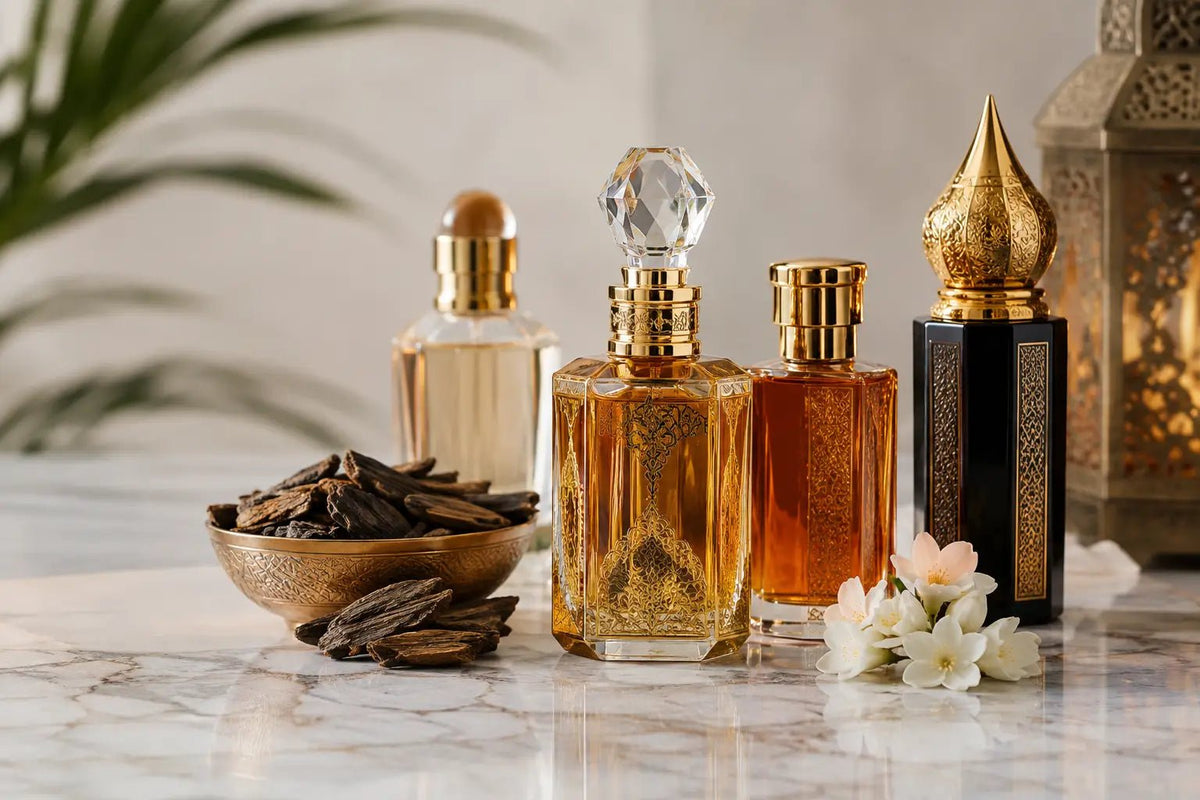
A fragrance that sells out after going viral can create real demand, but only if you can restock it with confidence. Perfume wholesale gives resellers, boutiques, online stores, and event-based sellers a practical way to buy authentic Arabic fragrances in volume without paying inflated per-bottle retail prices.
For buyers serving the US market, the opportunity is clear. Customers want rich, long-lasting scents, attractive presentation, and prices that feel smarter than traditional designer counters. The right wholesale assortment can meet that demand with recognized Middle Eastern houses, from everyday crowd-pleasers to distinctive extrait-style fragrances that encourage repeat purchases.
Why Perfume Wholesale Is Growing
Arabic perfumery is no longer a niche category reserved for serious collectors. Social media has made brands like Lattafa, Afnan, Armaf, Rasasi, Maison Alhambra, and Paris Corner familiar to shoppers looking for luxury-inspired scent profiles at accessible prices.
That popularity creates a strong opening for wholesale buyers. A customer may arrive searching for one viral fragrance, then discover an entire scent family: warm vanilla, smoky woods, juicy fruit, clean musk, amber, rose, or fresh citrus. When the assortment is curated well, a single purchase can become a larger order and a reason to come back.
Wholesale also makes more sense than buying individual bottles when you have consistent sales channels. Retail shops, online sellers, barbershops, salons, gift businesses, and fragrance pop-up vendors can protect their margins when their inventory cost is predictable. The key is not simply buying more. It is buying the bottles your customers are genuinely likely to want.
What to Look for in a Perfume Wholesale Supplier
A low case price is attractive, but it should never be the only factor. Fragrance customers notice details quickly, especially shoppers who already know the packaging, batch presentation, and performance they expect from a favorite scent.
Authenticity Comes First
Original products are the foundation of a wholesale fragrance business. Counterfeit or poorly stored inventory can damage customer trust far beyond one refund. Work with a supplier that is transparent about the brands it carries, has established product knowledge, and treats authenticity as a standard rather than a marketing extra.
Product condition matters, too. Look for clean, retail-ready packaging and clear handling practices. A bottle may be authentic, but crushed boxes, missing cellophane, or inconsistent labeling can make it harder to sell at full value.
Inventory Depth Matters More Than a Huge Catalog
A massive catalog is not always an advantage. If your supplier has depth in proven best sellers, new arrivals, and complementary styles, you can reorder without rebuilding your assortment every month.
Start with fragrances that give shoppers easy entry points: sweet gourmands, versatile fresh scents, warm amber blends, and recognizable designer-style alternatives. Then layer in more unusual profiles for customers who want something less predictable. This balance lets you serve first-time buyers without losing enthusiasts who already own the popular releases.
Clear Pricing and Practical Order Terms
Wholesale pricing should leave room for a sustainable retail margin after shipping, taxes, packaging, payment processing, and occasional promotions. Ask about minimum order quantities, case packs, volume tiers, and whether mixed-brand orders are available. A lower unit cost can be helpful, but it is not helpful if it forces you to tie up cash in slow-moving inventory.
For newer resellers, smaller mixed orders are often the smarter first move. Once sales data shows which scents move fastest, larger case purchases can improve margins and simplify replenishment.
Shipping Speed and US-Based Convenience
Fast fulfillment matters when a product starts trending. If your customers have seen a fragrance on TikTok or heard about it from a friend, waiting weeks for stock can send them elsewhere.
A supplier equipped to ship within the United States can reduce that friction. Reliable tracking, careful packing, and responsive customer service are not glamorous parts of wholesale, but they are the details that keep your operation moving when you need a restock.
Build an Assortment That Actually Sells
The best wholesale selection is not a random shelf of popular names. It is a collection with clear reasons to buy across price points, scent styles, and customer preferences.
Think in scent occasions. Fresh citrus, aromatic, and aquatic fragrances work well for daytime, warmer weather, office wear, and gift buyers who want a safe choice. Vanilla, caramel, oud, amber, spice, and woods tend to perform especially well for evening, colder months, and shoppers looking for noticeable longevity. Floral-musky and fruity scents can appeal across gender lines and give your assortment a softer, easy-to-wear side.
You also need a few recognizable anchors. Viral best sellers bring customers in, while adjacent options help you increase average order value. If someone loves a bold vanilla fragrance, show them another warm gourmand with a different twist. If they want a crisp blue scent, offer a more refined woody-fresh alternative. This is where product knowledge turns wholesale inventory into a better shopping experience.
Avoid overbuying based on hype alone. A fragrance can generate millions of views and still be difficult to sell to your particular customers. Start with a controlled quantity, watch sell-through, and reorder based on real demand instead of online noise.
Pricing Bulk Fragrances Without Racing to the Bottom
Competitive pricing gets attention, but the lowest price is rarely a complete strategy. Customers buying authentic Arabic perfumes also care about availability, condition, delivery speed, and whether the seller can answer a basic question about the scent.
Set retail pricing with your full cost in mind. Include your landed cost, the shipping expense to reach you, selling fees, packaging, discounts, and a cushion for damaged shipments or returns. Then compare your final price with the market, not just the number printed on an invoice.
Bundles can help protect margins without making your offer feel expensive. Pair two complementary scents, create a seasonal discovery set, or offer a gift-ready combination with an accessory. These options give customers more value while allowing you to move related inventory together.
Promotions should have a purpose. A small first-order discount can bring new buyers in. A limited bundle can help introduce a slower-moving scent beside a proven favorite. Constant deep discounts, however, can teach customers to wait and make it harder to maintain healthy margins.
How to Sell Fragrance With Confidence Online
Fragrance is personal, which means shoppers need more than a product photo and a vague description. Clear merchandising reduces hesitation.
Describe the scent in direct, familiar terms. Explain whether it opens bright and fruity, dries down creamy and warm, or leans clean, smoky, sweet, spicy, or woody. Mention the kind of wearer or occasion it may suit, but avoid promising that everyone will experience a fragrance exactly the same way. Skin chemistry, weather, and application all affect performance.
Use comparison carefully. Many Arabic fragrances are purchased because they evoke popular luxury styles, but customers should understand they are buying their own finished product, not a bottle with a different label. Focus on the fragrance character, concentration, notes, and value instead of making exaggerated claims.
Trust signals matter at every stage. Buyers want to know that the products are original, their order will be handled quickly, and they can get help if a question comes up. At Ezenzia, that means making authentic Arabic fragrances easier to find, understand, and buy without the luxury-price guesswork.
Common Wholesale Mistakes to Avoid
New wholesale buyers often make one of two mistakes: they buy too narrowly or too broadly. Carrying only one viral scent leaves you exposed when the trend cools. Buying every new release creates clutter, drains cash, and makes it difficult to learn what your customers truly prefer.
Another common issue is ignoring seasonality. Deep gourmands and heavy oud blends may surge during fall and winter, while crisp citrus, clean musk, and fresh aromatic fragrances can be easier to sell in spring and summer. That does not mean customers stop buying warm scents in July. It means your purchasing mix should reflect changing demand.
Finally, do not treat customer questions as an interruption. A quick answer about longevity, sweetness, projection, or whether a scent feels masculine, feminine, or unisex can be the difference between an abandoned cart and a repeat buyer. The more accurately you guide customers, the less likely they are to feel disappointed by a blind buy.
Start Small, Reorder Smart
Perfume wholesale works best when you treat inventory as a focused collection, not a gamble. Begin with authentic, recognizable fragrances in several popular scent families. Track what sells, what gets repurchased, what customers ask about, and which products only get attention without converting.
The right next order is rarely the biggest one. It is the order that gives your customers another reason to return while keeping your shelves stocked with scents they are excited to wear, gift, and talk about.


